
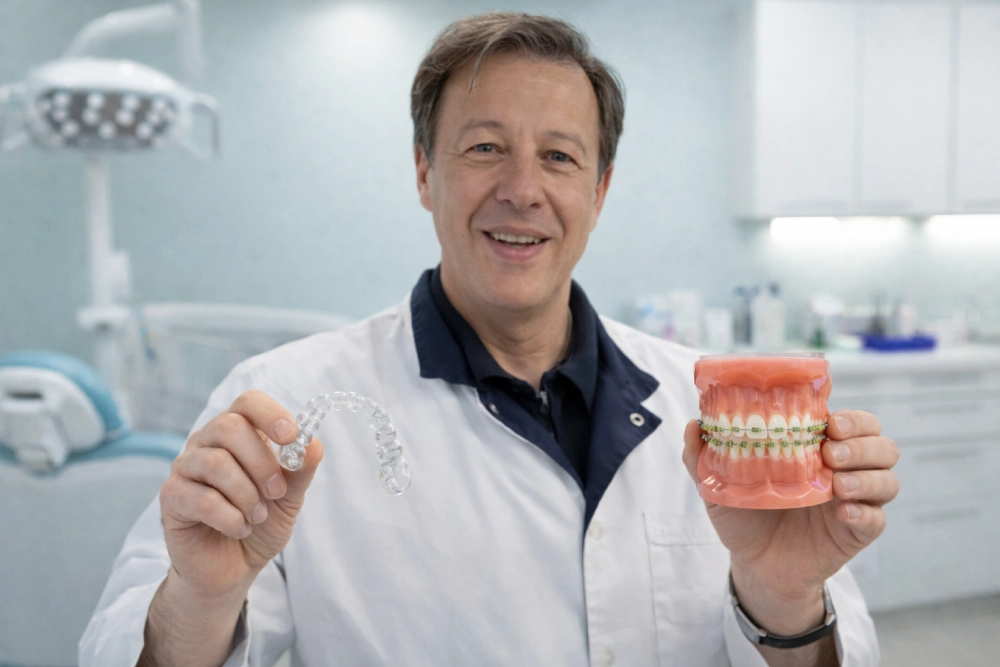

The author of the article
Boris Lipovetskiy, DMD, 31 years experience
A lot of people walk into our Fort Lauderdale clinic asking the same question: “Which types of braces make the most sense for me — metal ones, ceramic, or perhaps the ones that go on the back of the teeth?” After treating thousands of patients over more than 30 years in general and cosmetic dentistry, Dr. Lipovetskiy has landed on one firm takeaway, while traditional fixed braces do the job reliably, they fit the lifestyles of fewer and fewer adults and teens these days.
At Advanced Dental Wellness Center, we focus entirely on modern orthodontic solutions, specifically clear aligner therapy like Invisalign and CandidPro. We chose this path for one simple reason: they produce highly predictable results, look completely natural, and actually feel good to live with every single day. Let's break down your options so you can see why.
How Traditional Braces Work
Traditional bracket systems form a non-removable orthodontic setup that straightens teeth and fixes bite problems (malocclusion). Each tooth gets a tiny bracket glued to the enamel, and a metal archwire threads through all of them. That wire is made from a special shape-memory alloy. Once it's secured onto uneven teeth, it constantly tries to snap back to its perfect, straight shape. This creates steady, gentle pressure. Over time, the teeth slowly shift bone remodels around the root, and the periodontal ligaments stretch. Most traditional treatment courses run between 12 and 36 months.
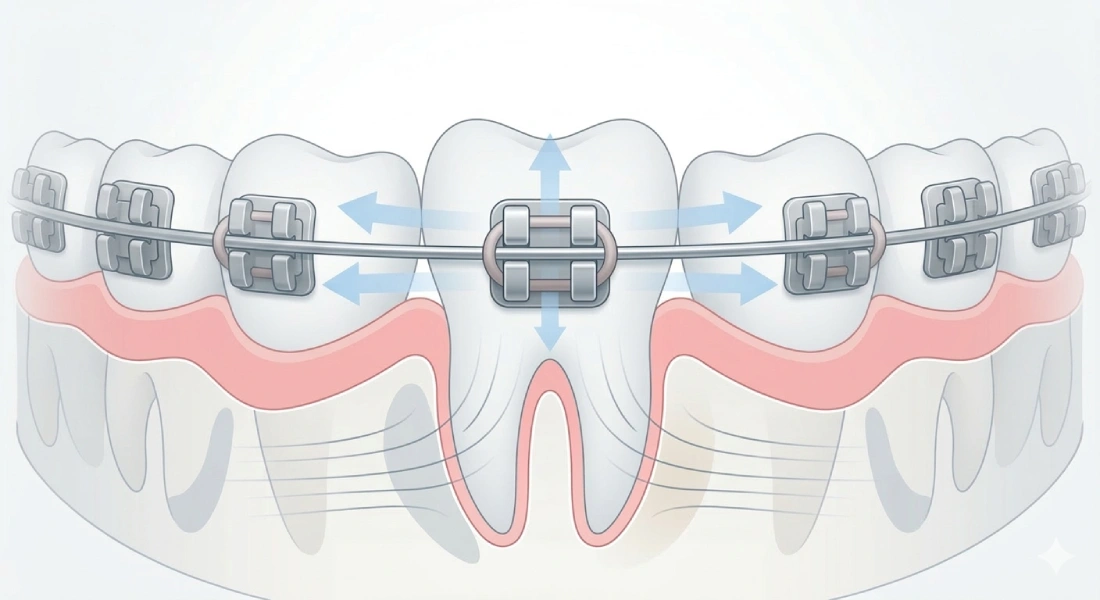
To guide this process, an orthodontist will:
Swap wires (starting thin and flexible, then progressing to thicker, firmer ones).
Add extra hardware like hooks, buttons, elastic chains, or inter-jaw rubber bands to adjust the bite itself.
So, with all these mechanics, why are there different types of braces? As dental engineering advanced, patients demanded options that were less bulky and less visible.
Metal versions handled the mechanics beautifully, but they stood out like a sore thumb and felt bulky. As the field moved forward, newer looks arrived:
ceramic blends right into the tooth color and stays low-key;
sapphire looks clear like glass;
lingual sits hidden on the tongue side so nobody sees a thing.
So why even bother with all the different types of braces? Weren’t plain metal ones good enough? Metal versions handled the mechanics beautifully, but they stood out like a sore thumb and felt bulky. As the field moved forward, newer looks arrived:
less friction, so teeth glide a little quicker and with less soreness;
appointments stretch out to every 8–12 weeks instead of every 4–6.
Metal still ranks as the most dependable and budget-friendly option, yet today we pick the system based on more than just how complicated the case is. Budget, looks, comfort, and speed all weigh in.
Types of Braces Broken Down by Material
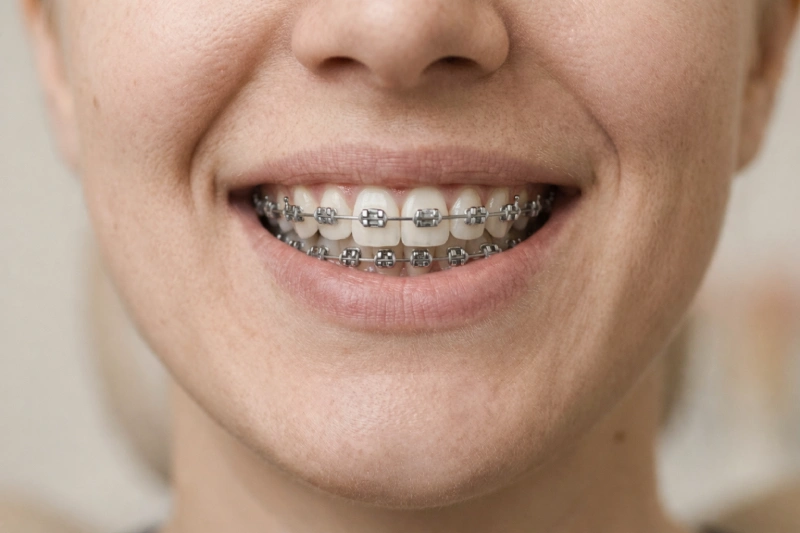
Metal braces
The classic, high-strength stainless steel version.
Pros
Minimal friction against the wire (helping close gaps faster), handles the toughest bite irregularities (heavy crowding, deep overbites), highly durable, and usually the most budget-friendly.
Cons
Stands out sharply (the classic "train-track" look), can irritate cheeks and lips during the first few weeks, and carries a tiny risk of metal sensitivity.
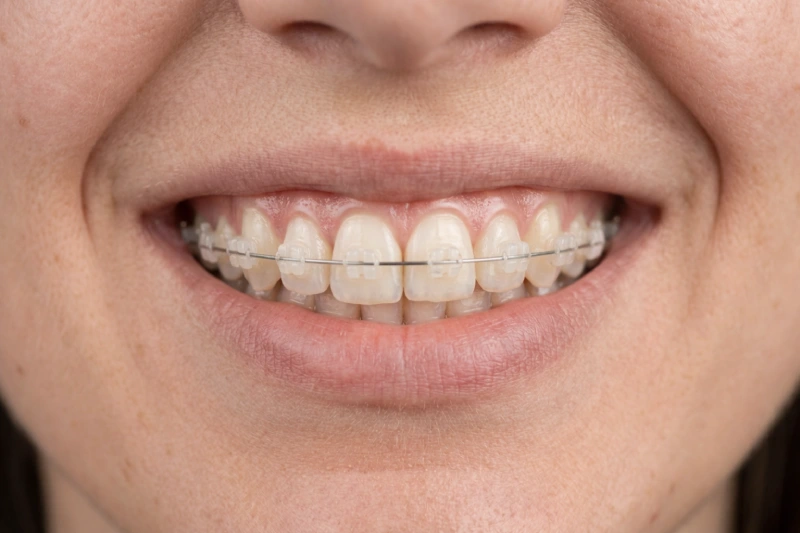
Ceramic braces
Made from clear or tooth-colored polycrystalline materials designed to blend in.
Pros
Barely noticeable from a distance, gentler on soft tissues due to smooth rounded edges, and zero metal allergy worries. Great for adults in visible professions who want discretion.
Cons
The brackets can chip or crack if you bite into hard foods, they cost 30–70% more than metal, and the elastic ties often stain yellowish from coffee, tea, or spices.

The Pivot to Aligners
Patients often research different types of braces expecting metal or ceramic to be their only choices. However, as a busy adult or teen, you don't have to compromise your lifestyle. While we respect the effectiveness of traditional brackets, we chose to make Advanced Dental Wellness Center a clear-aligner-focused practice. We believe modern patients deserve treatments that are invisible, comfortable, and highly predictable without the dietary restrictions of old-school orthodontics.
Types of Braces Based on Placement and Mechanics
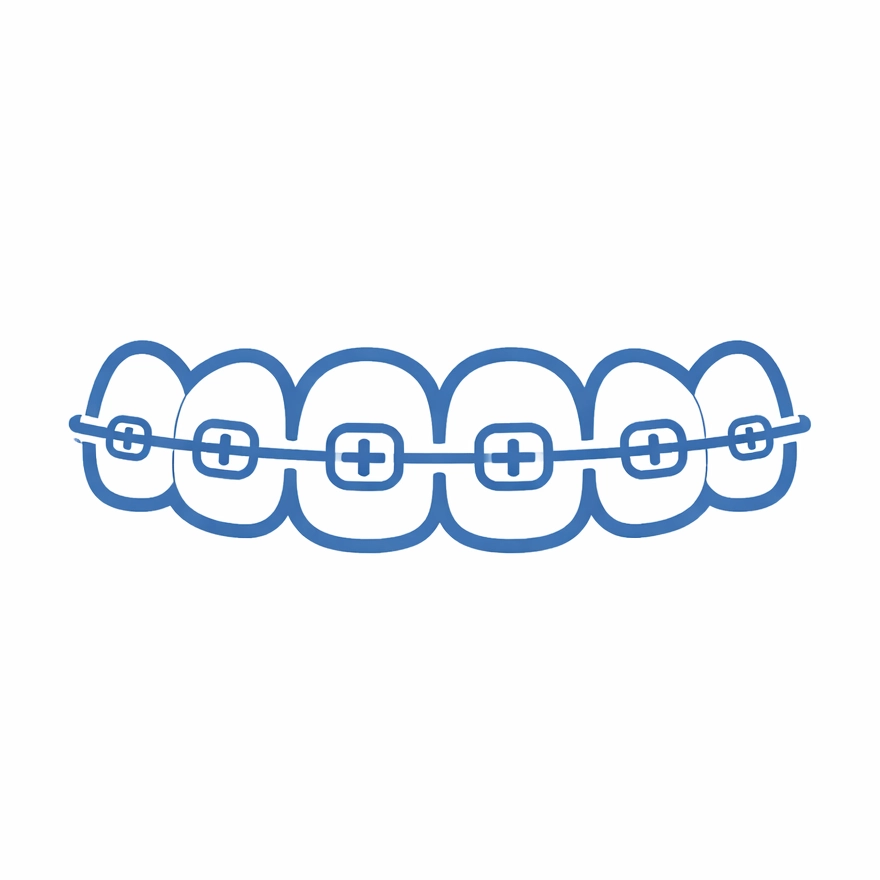
Vestibular (Front-side)
The standard approach, attached to the visible outer surface of the teeth.
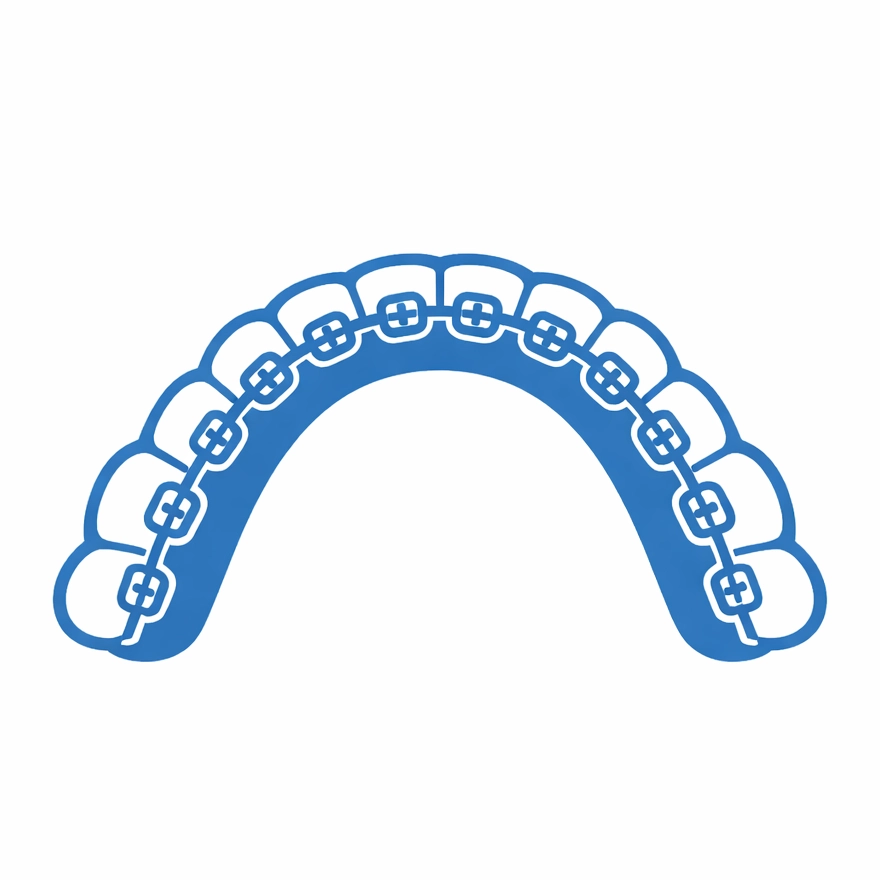
Lingual (Back-side)
Hidden completely on the tongue side of the teeth. While invisible, they frequently cause speech impediments and tongue soreness for the first couple of months.
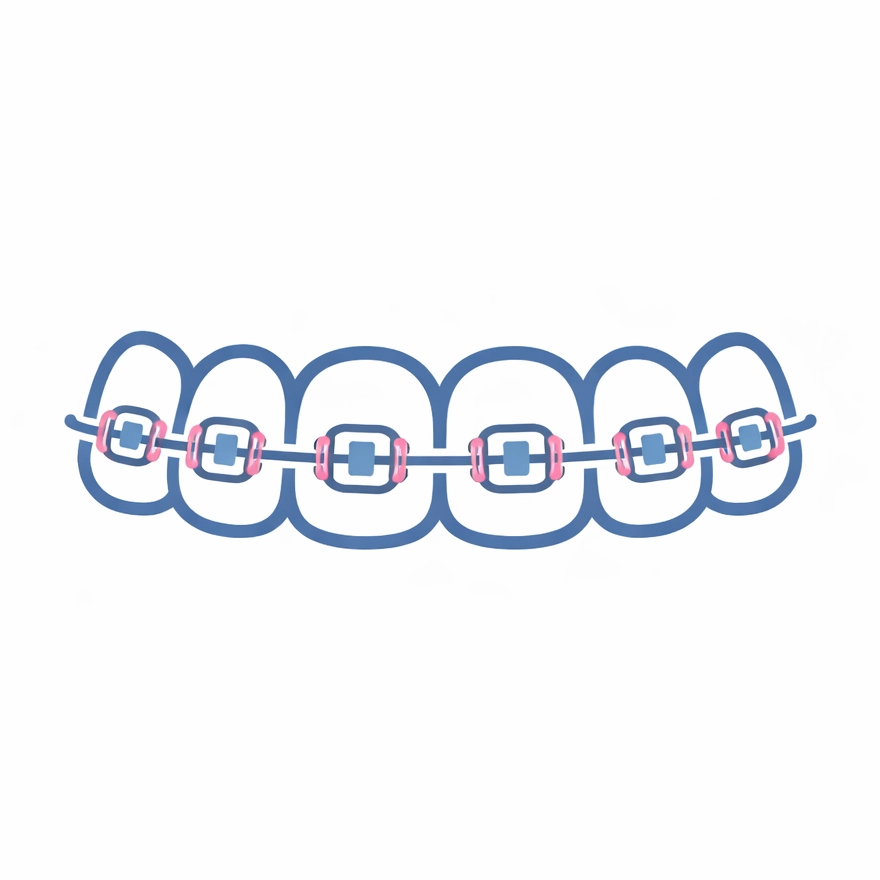
Ligature braces
Traditional braces use tiny rubber bands to lock the wire in place
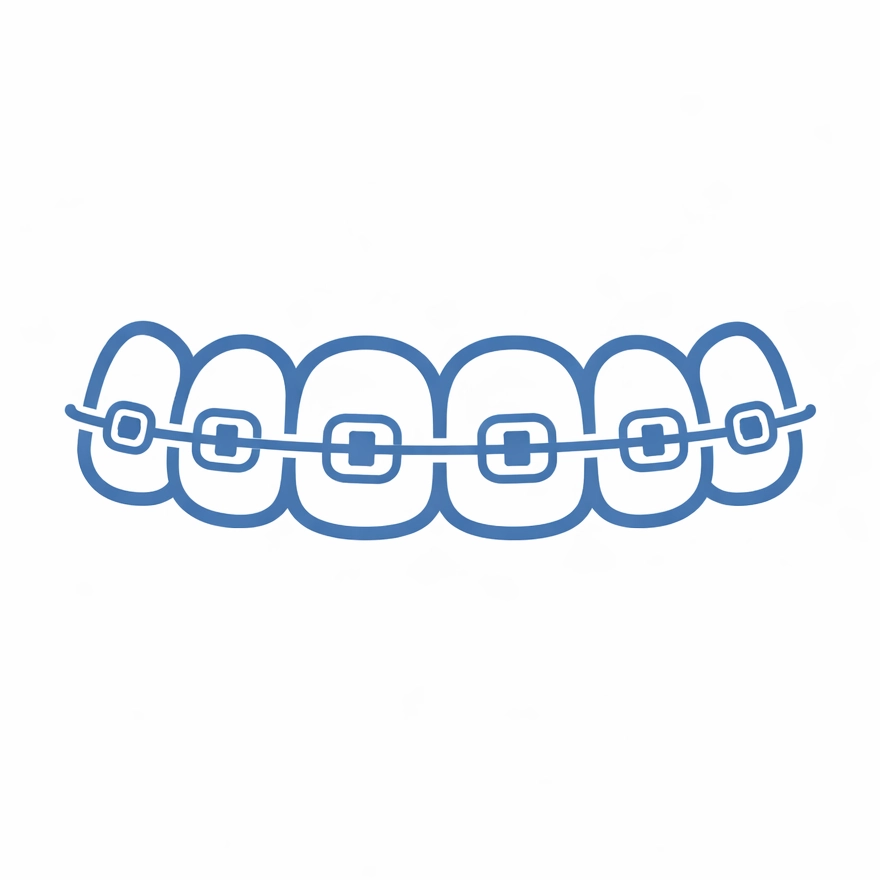
Self-ligating braces
— no rubber bands needed; visits for adjustments drop, friction drops too, but total treatment time stays about the same.
Which Type of Braces Is Best?
No single “best” exists. It always comes down to your specific bite issue, age, how much you care about looks, daily routine, and how well you’ll follow instructions.
Invisalign aligners often match or beat traditional options on certain bite details. When worn correctly, treatment frequently finishes sooner.
Doctor’s take
Textbook orthodontics still leans on metal or self-ligating types of braces for really tough cases. Here, though, we only offer Invisalign invisible aligners. Bracket systems stay off our menu. The reason?
Today’s aligners manage most orthodontic challenges with pinpoint accuracy in tooth movement. They stay comfortable and almost invisible the whole time. Keeping teeth clean feels easy, and life during treatment stays normal.
Which Approach Fits Your Particular Bite Issue?
When it comes to types of braces, the go-to solution for almost any orthodontic need remains classic metal systems. They deliver the most consistent force and give the doctor exact command over every tooth.
When pure function is the only goal, metal covers pretty much everything. But here is how modern aligners match up to solve the exact same issues:
1. Crowded teeth
Metal braces untangle them with steady wire pressure (12–18 months). Invisalign handles moderate to severe crowding just as effectively using digital 3D planning.
2. Gaps between teeth (Diastemas)
Braces slide teeth together along the arch (12–15 months). Aligners easily close these spaces, often faster than brackets.
3. Overjet (Class II, upper teeth sticking out) & Deep bite
Braces use elastics to balance the load (12–18 months). Modern clear aligners utilize special attachments (SmartForce) to reposition the jaw and incisors with pinpoint accuracy.
4. Crossbite
One arch sits inside or outside the other. Braces widen the arch and straighten everything. Typical time: 14–20 months.
Doctor’s take
Bracket systems still serve as the old-school workhorse, but we use aligners in our office. They follow the exact same tooth-moving biology yet turn the whole experience into something far more livable. Almost invisible, removable for meals and brushing, zero soft-tissue irritation. When planned right, aligners handle most problems just as reliably as any of the different types of braces.
Side-by-Side Look: Types of Braces vs. Aligners
| Criterion | Metal Braces | Ceramic Braces | Invisalign / CandidPro |
|---|---|---|---|
| Looks | Very obvious. Shiny metal brackets and wire give the classic “train-track” smile. Plenty of adults avoid big smiles or photos. | Somewhat discreet. Brackets blend with teeth but the metal wire still shows. Stains from coffee, tea, wine or smoking make them more noticeable over time. | Truly invisible. Thin clear trays disappear even during close conversation or smiling. Perfect for anyone who wants zero attention on treatment. |
| Daily comfort | Average. Stiff metal can irritate cheeks, lips, tongue (wax helps the first week or two). | Average. Softer than metal but still possible irritation and occasional breakage that needs extra trips. | Excellent. Smooth edges, adapts in just a couple days. Take them out anytime something feels off or for an important event. |
| Cleaning | Tricky. Food traps around brackets; needs special tools and raises cavity and gum risk. | Tricky. Same trapping plus ceramic grabs stains and plaque more. | Super easy. Pop them out, brush and floss normally. Much lower risk of problems. |
| Treatment length | 12–36 months, needs regular office tweaks. | 12–36 months, breaks can stretch it longer. | 9–18 months with 20–22 hours daily wear. Often quicker thanks to exact digital planning. |
| Rough cost | $3,500–5,000 | $5,000–7,000 | $4,800–7,500 (covers every tray, retainers, digital planning, check-ins). |
| Handles tough cases | Outstanding. Full power for any issue. | Decent, but struggles with very big movements. | Outstanding, especially Invisalign. Special attachments and SmartForce tech manage even severe crowding or bite problems. |
| Speech effect | Noticeable lisp or changes first few weeks. | Noticeable first few weeks. | Almost none. Speech settles fast. |
| Food rules | Strict — no hard, sticky, nuts, gum. | Strict — same limits. | None at all. Take trays out and eat whatever you want. |

Exclusive New-Patient Special
Invisalign / CandidPro full course starting from $3,500 (Includes every tray, digital ClinCheck planning, office visits, and your starting retainers). ## The Modern Alternative: Why We Choose Invisalign and CandidPro
At Advanced Dental Wellness Center, we specialize in the discreet, removable trays that are revolutionizing orthodontics.
Invisalign is the industry leader. Your treatment is fully guided by Dr. Lipovetskiy using ClinCheck 3D planning, so you get to see your future smile before treatment even starts. Diagnostics are done with our comfortable iTero digital scanner — no messy, gag-inducing putty impressions needed.
CandidPro is a fantastic hybrid option for mild to moderate cases. After an initial in-person exam and scan, you send photos of your teeth every 7–14 days via an app. The doctor adjusts your plan remotely, cutting down office visits dramatically.
Types of Braces for Teens VS Adults
Teens usually do great with metal: quick, affordable, and you can pick fun colored ties. Growing jaws sometimes need a two-stage plan (expanders first).
Adults care more about staying under the radar, fewer appointments, keeping normal eating and brushing routines, and fixing side issues like headaches, grinding, or posture. That’s why the majority of grown patients here go straight to aligners.
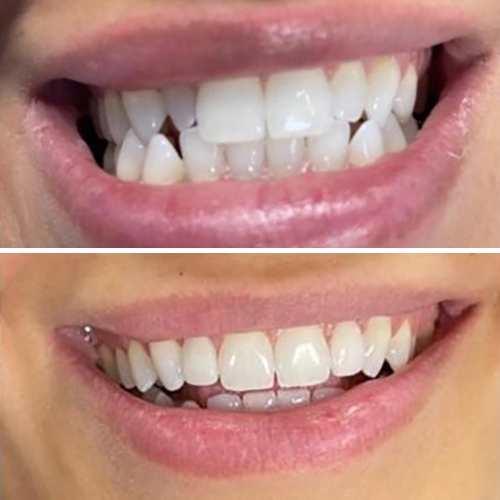
One 38-year-old lady came in with one front tooth jutting out, throwing her whole smile off. We placed a super-thin veneer on that tooth plus started clear aligners for the bite. She wore them 9–10 months, popping them out for meals and cleaning.
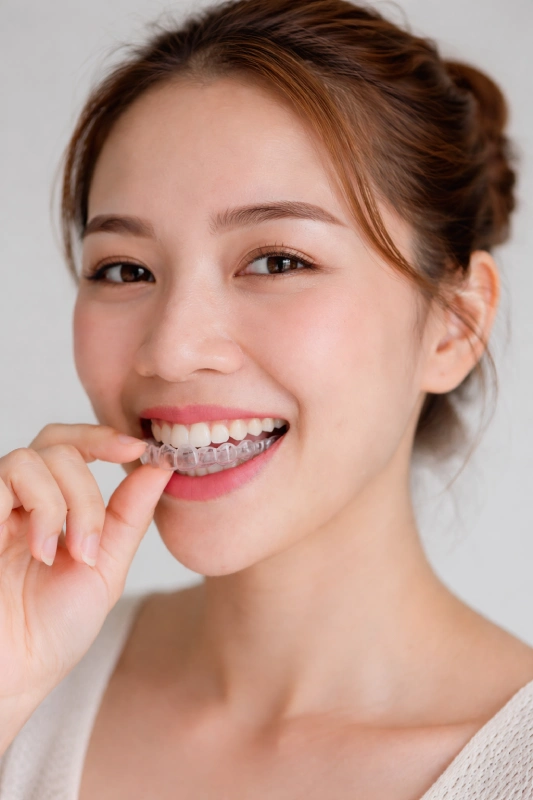
The Modern Alternative to Every Kind of Braces: Invisalign and CandidPro
At Advanced Dental Wellness Center, we specialize in clear aligners: Invisalign and CandidPro – the discreet, removable trays that are practically invisible on your teeth.
Invisalign is the leader in aligner technology. Your treatment is fully guided by the doctor using ClinCheck 3D planning, so you get to see your future smile before treatment even starts. It works for a wide range of issues: crowding, gaps, overbite, underbite, crossbite. Diagnostics are done with the iTero digital scanner – no messy impressions needed. You switch to a new set of aligners every 1–2 weeks.
CandidPro starts with an in-person visit to the clinic (exam, scanning, bite assessment), and after that you send photos or scans of your teeth every 7–14 days – the doctor adjusts the plan remotely. This cuts down office visits dramatically (sometimes to just 2–3 for the entire treatment). It’s ideal for mild to moderate cases. At the end of treatment, you receive retainers or a nighttime aligner.
Both systems let you remove the aligners for eating and brushing. There’s no rubbing, no food restrictions, and no speech issues. Patients consistently say they feel comfortable, confident, and in control right from the first few weeks.
Ready to see what your smile could look like?
Schedule a free consultation with iTero 3D scanning — we’ll show the exact projected outcome in one visit.
FAQ
Absolutely. After any orthodontic treatment, retainers keep your teeth from shifting back. Invisalign and CandidPro courses at our clinic include your initial retainers. We advise wearing them at night for life to protect your investment.
Metal and ceramic brackets typically cause the most soreness during the first week and after every tightening appointment. Lingual brackets heavily affect the tongue. Aligners only create a light, temporary pressure for the first day or two of a new set, with zero soft-tissue rubbing.
Metal or ceramic types of braces usually run 18–36 months. Lingual can take longer because of the setup. Invisalign and CandidPro range from 6 to 24 months (mild cases often 9–12). With solid 22-hour wear, aligners frequently finish in the same time or a bit quicker.
Yes, in the great majority of cases! Invisalign effectively handles moderate and even complex malocclusions (crowding, gaps, crossbites, and deep bites). Only extreme skeletal jaw shifts might require traditional brackets or surgery. We’ll give you a straight, honest answer during your consultation.
Special Invisalign Teen and CandidPro versions exist specifically for growing jaws. They track wear time with blue dot indicators and accommodate erupting teeth. Teens love them because they can eat popcorn, play sports safely, and avoid school photo awkwardness.
Technically yes, but we almost never recommend it. Full correction of both arches gives better, lasting results. Aligners let us plan everything precisely in 3D and show you the outcome ahead of time.