

The author of the article
Boris Lipovetskiy, DMD, 31 years experience
Many patients are baffled when they discover new decay during a check-up, despite sticking to a strict daily brushing. The missing piece of the puzzle usually lies within the 40% of tooth surfaces that standard bristles simply never reach. In this comprehensive guide, we will bridge that dangerous gap, revealing a complete hygiene framework designed to safeguard your entire oral cavity — not merely the areas visible in the mirror.
What Is Oral Hygiene?
True oral hygiene goes far beyond a quick morning scrub; it is an integrated methodology blending diligent home habits with expert oral care to secure lifelong dental health. A robust regimen must include:
Why Does At-Home Maintenance Fall Short?
Extensive clinical analyses reveal a sobering statistic: people exhibiting mediocre oral hygiene face a periodontal risk that is two to five times greater than those with meticulous habits — even if the former group brushes daily. The critical difference is that professional scaling physically interrupts the calcification of soft plaque into stubborn tartar, which is the core catalyst for chronic gingival inflammation.

Expert Opinion:
Brushing your teeth immediately after eating is not the best solution – at that moment the enamel is weakened by acids. But simply waiting and doing nothing is also not always optimal, especially if you are prone to inflammation or cavities.
In such cases, we recommend using an antiseptic mouthwash.
1. ioRinse RTU (Molecular Iodine-Based Formula). This solution is utilized within our practice and may be prescribed for specific at-home treatment cycles. It delivers potent antimicrobial effects, significantly lowers bacterial presence, and aids in managing gum inflammation. It is highly suitable following a professional deep clean, for patients managing periodontitis, or those with an elevated infection risk.
2. StellaLife VEGA Oral Care Rinse. Designed as a gentler alternative for daily maintenance, this rinse promotes gingival health and helps balance the oral microbiome. It is particularly beneficial for individuals experiencing mucosal sensitivity or dry mouth, serving as an excellent maintenance tool between dental appointments.
Mouthwash never substitutes for actual brushing. It can be used after meals when brushing isn’t immediately possible, or as part of a targeted course recommended by your dentist to help reduce inflammation.
Who Needs Professional Oral Hygiene?
Even with diligent twice-a-day brushing, a toothbrush cannot physically eliminate 100% of plaque deposits. In those missed crevices, bacteria persist in digesting sugars and excreting acids, which steadily compromise the enamel and pave the way for teeth cavity formation. Over time, this soft biofilm condenses and mineralizes — within just 24 to 48 hours, it begins transitioning into calculus (tartar). This hardened substance defies normal brushing and demands professional removal. Consequently, skipping regular professional oral hygiene leads to the gradual accumulation of chronic inflammatory zones.
While professional oral care is essential for everyone, it is particularly critical for specific demographics:
Problems Caused by Poor Oral Hygiene
Neglecting your oral health care sets off a cascade of issues – ranging from localized dental problems to broader systemic health conditions.
1. Cavities
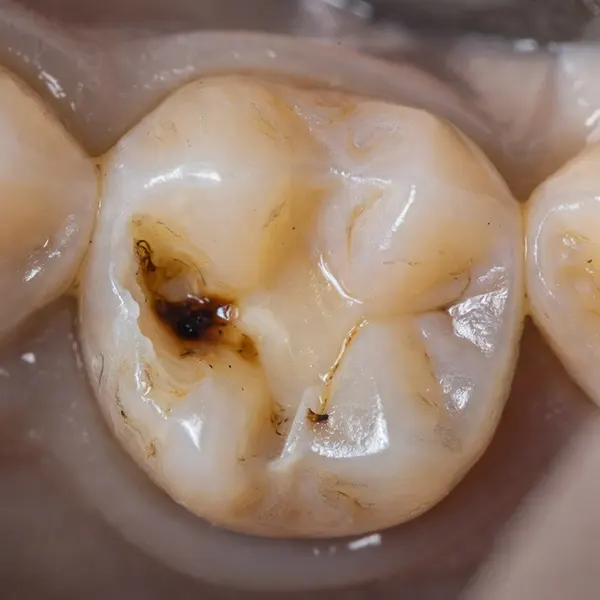
Plaque-dwelling bacteria metabolize dietary sugars, generating acidic byproducts. These acids methodically leach calcium and phosphates right out of the enamel, rendering it soft and structurally weak.
Without regular brushing, the enamel simply lacks the time to remineralize and recover. The compromised areas expand, the surface deteriorates further inward, and a cavity is officially born.
2. Gum Disease (From Gingivitis to Periodontitis)
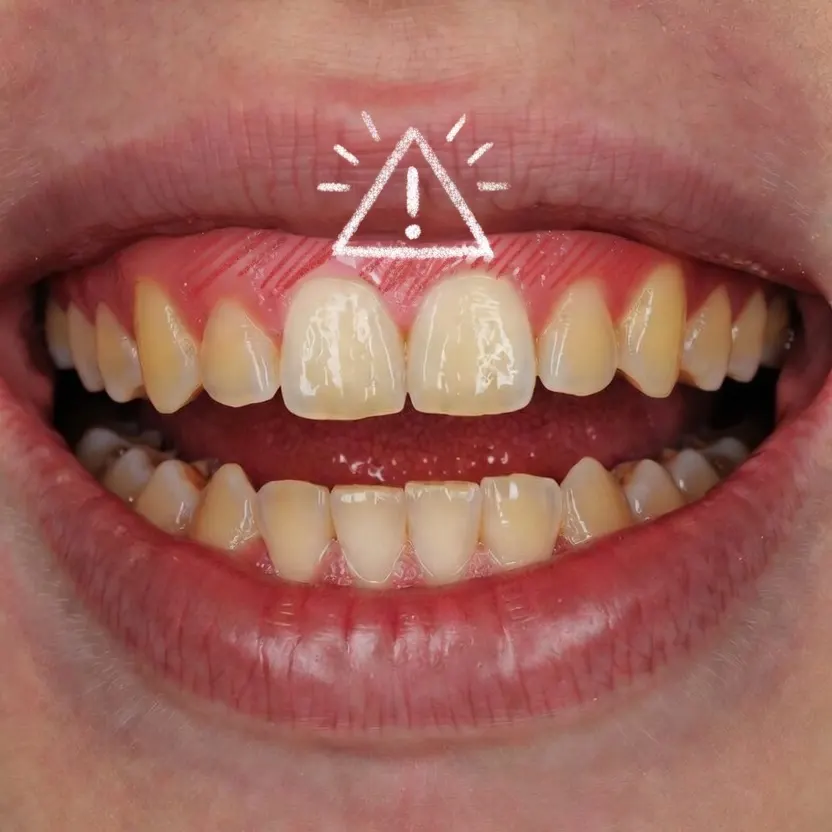
The biofilm resting along the gumline is packed with bacteria. Left undisturbed, this layer calcifies into tartar within a mere 1 to 3 days. This calculus then advances beneath the gum margin, turning inflammation into a chronic state that methodically destroys the supporting ligaments and surrounding bone. Once gums start bleeding, these bacteria and their associated toxins gain a direct entry point into your bloodstream.
At our practice, once the tartar is cleared, we treat the periodontal pockets utilizing laser therapy. This step provides an extra layer of bacterial eradication, sanitizes the tissues, and dramatically accelerates the healing process.

3. Cardiovascular Diseases
During a periodontitis infection, pathogens can infiltrate the blood vessels, potentially inflicting damage on both the vascular system and the heart. This elevates the likelihood of suffering a heart attack or stroke (studies show cardiovascular disease risks climb by 20–50%). It is critical to note:
- Periodontitis acts as a contributing factor, not the sole independent cause of heart attacks or strokes.
- The elevated risks highlighted in medical research primarily correlate with severe stages of the disease.
- Through consistent professional hygiene and dedicated treatment, this inflammation can be effectively kept under control.
4. Halitosis
Bad breath most often originates in the mouth: bacteria break down food debris and release compounds with a strong odor. That is why it becomes more noticeable in the morning, during dry mouth, stress, or mouth breathing.
At our clinic, we do not mask the odor – we look for its cause. During a dental examination, we assess the condition of the gums, measure pocket depth, check for tartar and cavities, and evaluate the tongue and saliva production. If necessary, we provide targeted recommendations (what to change in oral hygiene, diet, and habits) – so the odor disappears long-term.
What Happens During a Professional Dental Cleaning
Patients place their trust in us because our approach is meticulously gentle. Throughout years of clinical practice, our experts have completed hundreds of professional cleanings, successfully reducing gingival inflammation, eradicating stubborn buildup, and warding off decay. We are committed to continuous education and integrating cutting-edge oral hygiene technologies to maximize the effectiveness of every session.
Here is what you can expect during your visit to our clinic:
You will leave our office not just with exceptionally clean teeth, but with a clear understanding of how to maintain optimal dental health in your daily routine. Furthermore, if you wish to prevent the gradual darkening of your enamel, discover how we perform single-visit teeth whitening – a remarkably safe process that leaves your enamel completely undamaged.
How Often Is Professional Cleaning Needed?
The universal standard is a visit every six months. However, for those navigating braces, smoking habits, diabetes, or active gum inflammation, our lead dentist Dr. Boris Lipovetski strongly advises scheduling a cleaning every three to four months.
Why shouldn't you wait longer? Clinical research indicates that upwards of 40% of dental plaque survives standard brushing, regardless of how flawless your technique might be. This residual layer inevitably hardens into calculus, which subsequently requires a professional touch to remove.
Examples of Oral Care in Our Dental Clinic
Case 1
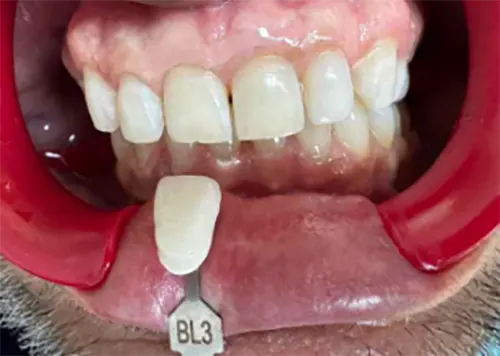
Dr. Boris Lipovetskiy successfully eradicated severe pigmentation, reviving the natural brilliance of a patient's smile. A deeply stained enamel shade (A3), caused by heavy coffee consumption and heavily dyed foods, was corrected utilizing the KōR whitening system – brightening the teeth by six full shades (to a B1). This proves that even following periods of neglected oral hygiene, expert intervention can fully restore both dental health and aesthetic beauty; hope is never lost.
Case 2
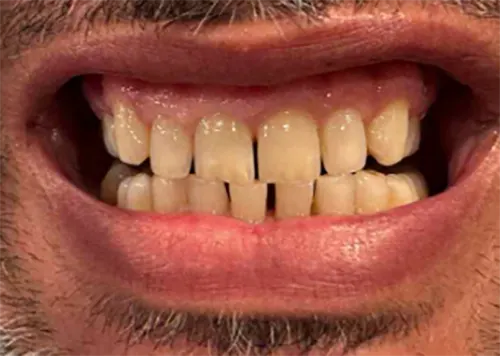
Another case involved a female patient presenting with halitosis and a thick layer of plaque — classic indicators of early-stage gingivitis linked to a lack of professional oral hygiene. Our clinical team executed a comprehensive cleaning featuring calculus removal and polishing, subsequently educating her on a customized dental care routine with a scheduled follow-up in three months. The inflammation vanished, her breath was entirely refreshed, and the looming threat of periodontitis was halted right in its tracks. Responding promptly to the initial signs of trouble with timely professional hygiene is the key to preserving your natural teeth and bypassing complex procedures.


Tackling Persistent Bad Breath
How Do We Help You Maintain Results Between Visits?
Our commitment doesn't end when you leave the dental chair. For bleeding gums, we prescribe therapeutic toothpastes and anti-inflammatory mouthwashes. If we notice plaque pooling between your teeth, we will match you with a specific style of floss or an oral irrigator. Should we observe aggressive brushing habits, we intervene to correct your mechanics and recommend softer bristles. We meticulously document your baseline condition and track your progress to guarantee that your clinical results don't simply "reset" after a few months, but genuinely endure from one visit to the next.
Q&A
In the vast majority of cases, the experience is entirely comfortable. For patients dealing with heightened sensitivity, we pivot to ultra-gentle protocols and will gladly administer local anesthesia if required.
Even if you feel absolutely fine, a preventive sweep is advised every six months. However, if you notice bleeding gums, persistent bad breath, a "fuzzy" or rough texture on your teeth, or visible enamel darkening — consider these urgent signals to schedule a visit immediately.
Before even booking, look for these signs: the clinic transparently explains their procedural steps, utilizes visual magnification, showcases real portfolio examples, adheres to modern hygiene protocols, and strictly avoids promising "10-minute miracles." During your initial consultation, the practitioner should thoroughly evaluate your gums and calculus levels rather than merely pitching a "quick polish" – this is the ultimate hallmark of a true professional approach.
Calculus will gradually build up, leading to gum inflammation, increasing the risk of cavities, and potentially resulting in more complex and invasive dental treatments over time.