


The author of the article
Boris Lipovetskiy, DMD, 31 years experience
Quick Tip Box:
- Keep your dentist's contacts handy. Add the ADW Center emergency dentist number to your phone.
- Don't forget about prevention – wear a mouthguard during sports. Without it, the risk of injury increases by nearly 2 times (1).
- If you've injured your teeth or gums, don't panic and see a dentist within the first 1-2 hours after the incident. In Fort Lauderdale's humid climate, an infection can spread faster if a tooth is damaged.
Emergency care involves immediate actions to relieve pain, stop bleeding, and prevent infections until you see a doctor. In Florida's tropical climate, this is especially important.
Due to humidity up to 80%, bacteria multiply within hours, turning a simple chip into an entry point for infection.
Contents:
Common Urgent Dental Situations in Fort Lauderdale
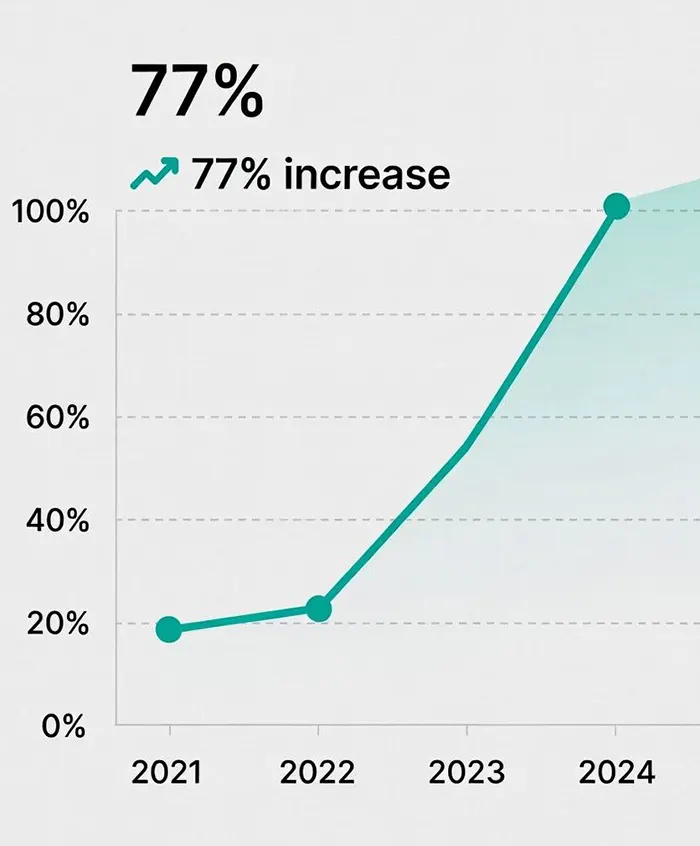
According to statistics, in 2024, 146,000 people in Florida visited the ER due to dental issues – a 77% increase from 2021. An active lifestyle raises risks: sports-related dental injuries in coastal areas are 20-30% higher than the U.S. average due to water sports.
Additionally, the humid climate accelerates the spread of infections. That's why many people seek help for deep cavities, pulpitis, and periodontitis (inflammation due to bacterial growth in teeth and gums).
- Severe Tooth Pain. Throbbing pain that worsens when eating/drinking, often combined with a headache. In Florida's warmth, an infection (pulpitis) can spread within 24 hours, leading to tooth loss.
- Knocked-Out Tooth. Complete loss with bleeding. Often occurs in sports (surfing, volleyball) – 30% of dental injuries in contact sports. Replantation (reinserting the knocked-out tooth) is successful in 90% of cases within the first hour; with delays, chances drop to 10-20%.
- Broken/Chipped Tooth. A crack with sharp pain, sensitivity, and bleeding due to a fall or hard food. Due to humidity, infection penetrates the tooth faster through the chip.
- Abscess/Swelling. Swelling of the gums/face with pus, pain, and fever. Without timely treatment, it can lead to sepsis (infection of surrounding tissues and blood).
- Lost Filling/Crown. An open hole in the tooth, pain, increased sensitivity. Through the exposed opening, infection can quickly enter the tooth and lead to cavities or pulpitis. Due to the high amount of fruits and sweets in the diet, the risk of dental restoration failure is 80% higher.
- Bleeding Gums. Profuse bleeding after injury, with redness. The risk of periodontitis (gum inflammation) increases in warm weather. Infection can develop in just 24-48 hours.
- Jaw Pain. Dull/sharp pain, clicking when opening the mouth. Often caused by trauma – these symptoms may indicate a dislocation or fracture.
What to Do If You Face a Dental Emergency: Step-by-Step Advice
Act quickly: delays in Florida's climate (80% humidity) lead to complications twice as often!
Important!
In any of the cases below, see a dentist as soon as possible. They will perform a diagnosis to determine the severity of the problem and start treatment immediately.
Timely help saves teeth in 90% of cases. Also, don't take painkillers without a doctor's prescription. They only mask symptoms but don't eliminate the cause.
What to Do If You Have Tooth Problems?
If a tooth is knocked out, broken, or chipped, a crown or filling has fallen out, or you're experiencing severe pain, here are general recommendations:
Important!
Don't try to reinsert the tooth, filling, or crown yourself.
This way, you'll prevent infection from entering and developing, and you can quickly return to your normal life with healthy teeth.
What to Do If Your Gums Are Hurting or Bleeding?
The cause could be trauma or inflammation. In either case:
These tips also apply to a tooth abscess. This is inflammation at the tooth root. Often, a fistula appears on the gum through which pus drains.
Abscess symptoms: sharp pain, swelling, pus discharge, unpleasant taste in the mouth.
Important!
Don't self-medicate or puncture the abscess. This can lead to the infection spreading throughout the body.
See a doctor as soon as possible. In our clinic, we perform laser gum treatment – the beam works precisely, removing only pus-filled inflammation and infected tissues, while immediately sealing blood vessels.
This ensures minimal bleeding and tissue trauma – recovery is faster, with much less swelling and pain than with standard treatment.
What You Can Do at Home, and What You Can't for Emergency Dental Care?
You Can
You Can't
Restoration After Emergency Dental Care – What Does the Doctor Do?
After emergency care, restoration is needed:
The doctor starts with a thorough diagnosis. This includes questioning, examination, and X-rays. This helps the doctor understand how serious and deep the damage is.
Then, they create a suitable treatment plan depending on the situation:
- Antibiotics for infection. If there's pus or inflammation (like in an abscess), a course is prescribed (usually 5-7 days). This kills bacteria and reduces swelling.
Important: Take them strictly as prescribed for maximum effectiveness and to avoid complications. - Veneers for front teeth chips. Thin ceramic plates (0.5-1 mm) are fixed to the front surface of the tooth. They look natural, like your own teeth, and last 10-15 years.
- Tooth restoration with a crown. A "cap" made of ceramic or metal-ceramic is placed on a severely damaged tooth. It protects from infections, restores shape and chewing function. Lasts 10-20 years with doctor's recommendations and good hygiene.
- Implants for tooth loss. If the tooth is completely lost, the doctor installs an artificial root (titanium rod), and places a crown on top. The implant integrates with the bone (fully fuses in 3-6 months). Such a structure lasts 25+ years with good hygiene and following the dentist's recommendations. It fully replaces the tooth and prevents neighboring teeth from shifting.

Expert Opinion:
You can fully restore teeth in just 1-2 weeks after trauma. This way, you'll avoid complications and quickly return to your normal quality of life:
- You'll be able to chew without discomfort;
- Pain and increased tooth sensitivity will disappear;
- When smiling, you won't be embarrassed by a broken or chipped tooth.
Real Case:
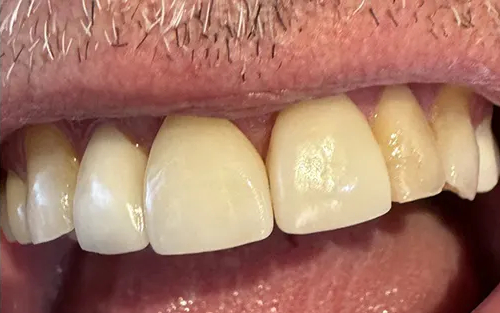
A patient broke a front tooth during a sports training session.
After diagnosis, Dr. Boris Lipovetskiy suggested installing a crown. He prepared the tooth and fixed the prosthesis, which exactly matched the natural shape and shade of the tooth.
As a result, the restoration is unnoticeable from the outside and looks natural.
Patient Review: "Now I'm not afraid that the tooth will break further during meals, and I can calmly eat my favorite dishes!"

FAQ
If you see a dentist within 1 hour – the tooth can be reinserted and fixed. The success rate of such an operation is 90% if you come to the clinic on time.
If several days or more have passed, the tooth can be restored with implantation. This procedure, including preparation, takes up to 2 weeks; right after securing the artificial root, the doctor installs the prosthesis
No, pain is often a sign of developing infection. If you endure it, the risk of inflammation spreading and complications increases.
Even if you don't feel discomfort or pain right after trauma, tooth damage weakens its structure.
Without restoration, it will continue to deteriorate – over time, this will lead to infection emergence and spread, inflammation, tooth loosening, and loss.
Without thorough diagnosis, it's impossible to select an effective treatment plan. At best, medications won't provide any benefit. But often, self-medication leads to complications.
This applies not only to antibiotics. Even long-term use of over-the-counter painkillers can harm – they suppress symptoms (pain), but the cause remains, and complications can develop unnoticed.