

Clinically reviewed by
Dr. Boris Lipovetskiy, DMD
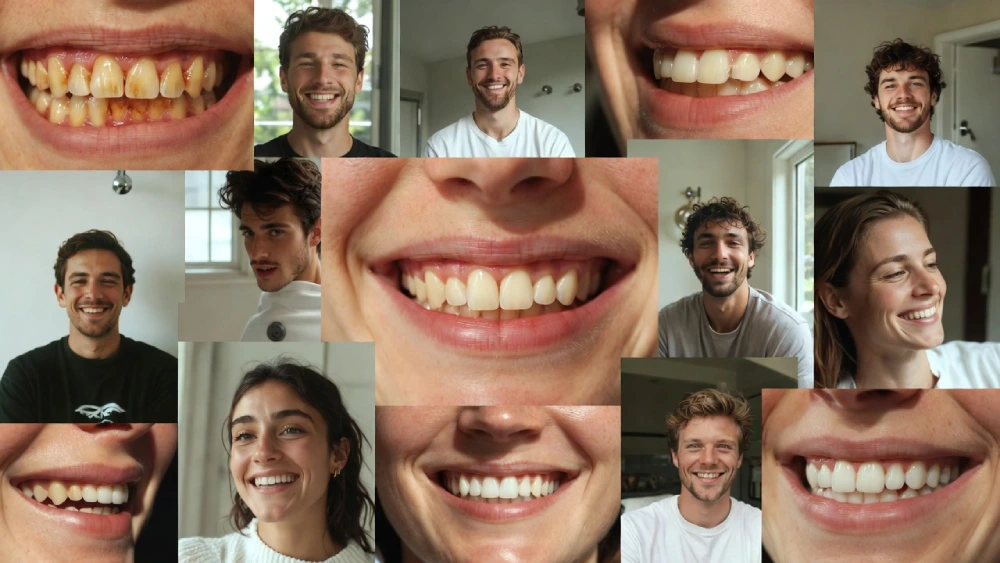
Statistics show that nearly 90% of dental patients want whiter teeth, and approximately 67% of adults in the U.S. have already tried some form of teeth whitening.
If you’re reading this article, you probably want a beautiful, bright smile too – but without risking the health of your teeth.
Over my 33 years of practice in Fort Lauderdale, I, Dr. Boris Lipovetsky, have seen hundreds of smiles before and after whitening treatments. In this guide, I’ll explain the two whitening systems I most often recommend to my patients – and exactly why I choose them.
What Makes Professional Whitening Different from Store-Bought Options?
The main difference isn’t just the price – it’s the concentration of the active ingredient (hydrogen peroxide or carbamide peroxide).
Peroxide literally breaks down the pigment molecules that stain your teeth. The higher the concentration, the faster and deeper it penetrates the enamel.
Drugstore strips and gels usually contain only 3–10% peroxide. They’re safe but work slowly and only on surface (extrinsic) stains.
Professional systems go up to 38–40%. This powerful formula delivers visible results in minutes rather than weeks. However, without professional supervision, it can irritate gums, cause significant sensitivity, or even damage enamel.
| Criterion | OTC Strips | Take-Home Trays (from dentist) | In-Office Professional |
|---|---|---|---|
| Peroxide Concentration | Low (3–10%) | Medium/High (10–38%) | High (up to 40%) |
| Time to See Results | 2–4 weeks of daily use | 1–2 weeks | 60 minutes (one visit) |
| Best For | Light surface stains | Moderate stains, mild sensitivity | Deep stains, fast results needed |
The Major Professional Whitening Systems
Several proven professional teeth whitening systems are on the market today. We evaluated each one based on real clinical results, patient comfort, and long-term safety.
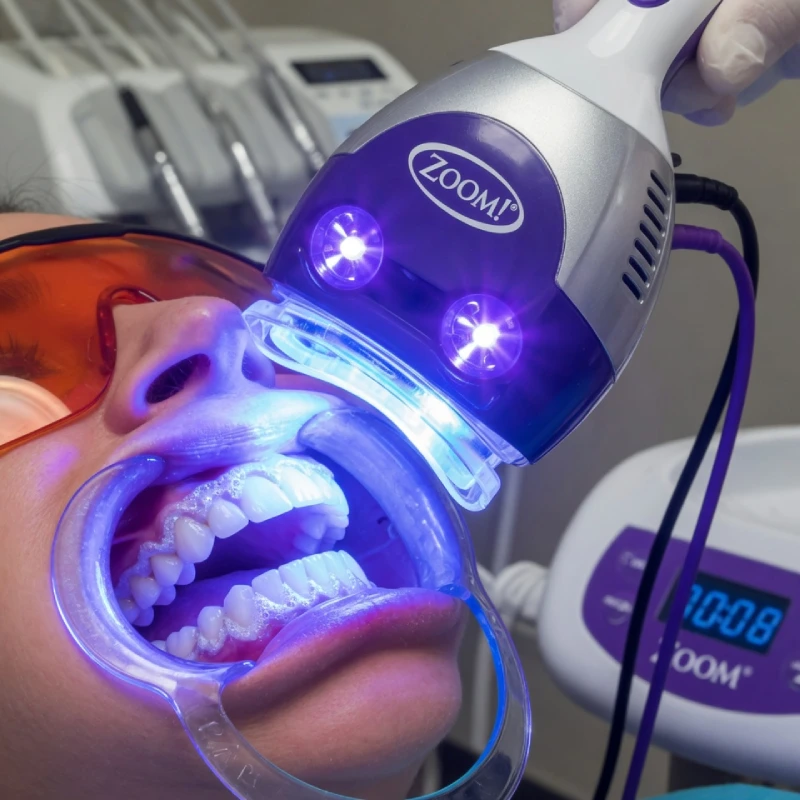
Zoom!®
One of the most popular LED-activated systems. It gives fast visible results, but often causes increased sensitivity because the lamp generates heat.
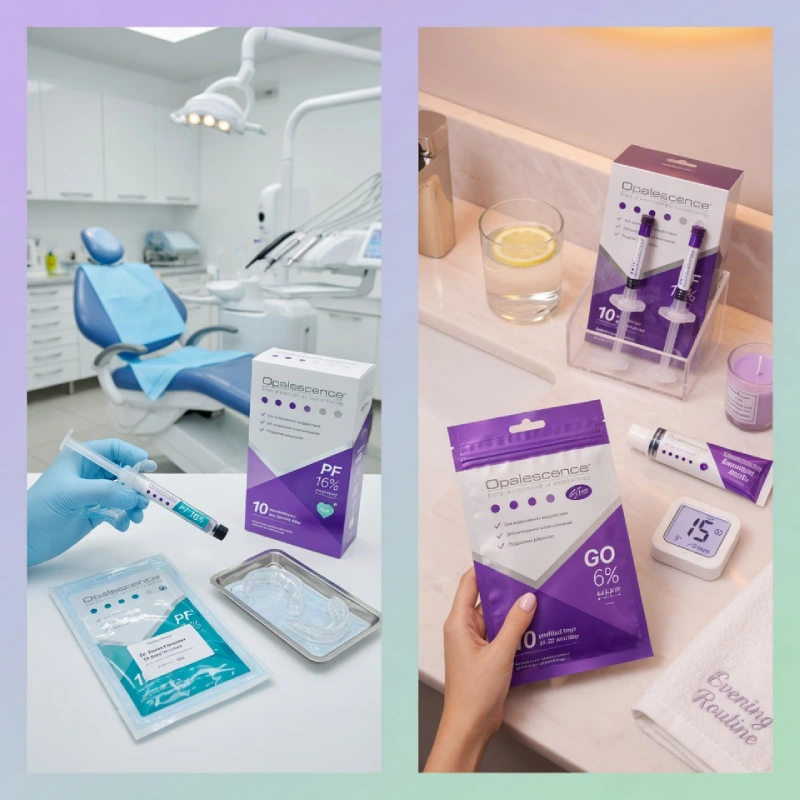
Opalescence™
This is a system I recommend frequently. It uses carbamide peroxide and includes special desensitizers (potassium nitrate) that reduce sensitivity during and after treatment.
Opalescence works well both in the office and for comfortable at-home whitening to maintain or enhance results without aggressive treatment.
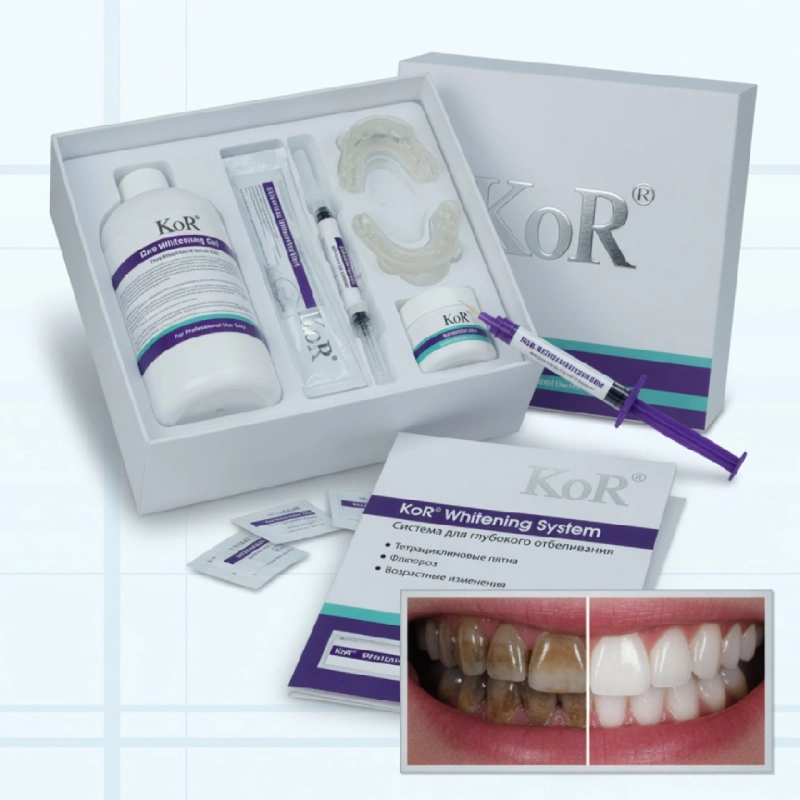
My go-to choice for advanced cases. KoR was specifically developed to tackle deep internal stains (tetracycline, age-related, and fluorosis stains) that other methods often can’t handle effectively.
KoR vs. Opalescence – Which System Does Dr. Lipovetsky Recommend?
Both systems have their strengths:
Opalescence™
Based on carbamide peroxide, which breaks down gradually in the mouth and releases the active ingredient slowly and evenly. This creates a gentle, controlled whitening process.
Benefits for patients:
Teeth are less sensitive, and the enamel handles the treatment more easily than with high-concentration hydrogen peroxide.
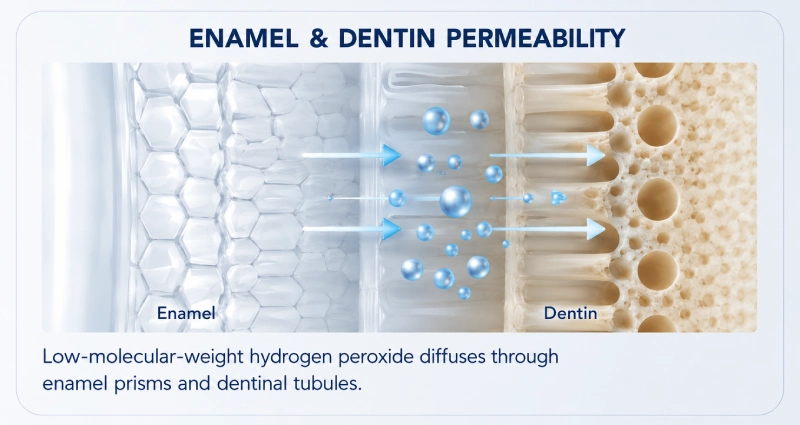
KoR® Whitening
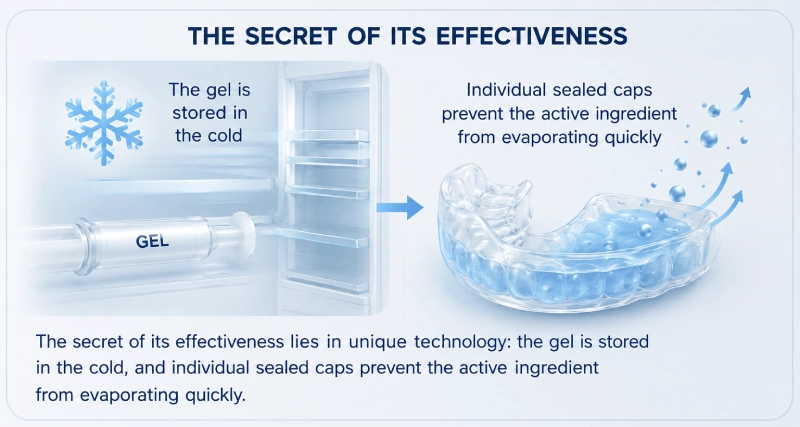
The secret to KoR’s effectiveness lies in its unique technology: the gel is refrigerated, and custom sealed trays prevent the active ingredient from evaporating quickly.
Benefits for patients:
The gel works many times longer (6–10 hours instead of the usual 20–30 minutes) and removes even the deepest stains. No light or heat is needed, so the procedure remains very comfortable – even for sensitive teeth.
Which Option Should You Choose?
In my practice, I’ve learned one clear truth: no two smiles are the same.
I recommend Opalescence if:
You want a beautiful, natural-looking result rather than a radical “one-visit” change, with minimal discomfort.
You’d like to lighten teeth by 5–8 shades evenly.
You need a convenient at-home program to maintain results after professional whitening.
You have mild to moderate tooth sensitivity and prefer a gentler approach.
I recommend KoR Whitening if:
You have tetracycline stains or deep internal discoloration.
You want to lighten teeth by 8–12 shades.
You suffer from high tooth sensitivity.
You’re looking for the most stable, long-lasting results with minimal maintenance.
Previous whitening attempts didn’t give you the desired effect.
Quick System Comparison
| KoR Whitening | Opalescence | |
|---|---|---|
Type of Stains | Deep internal, tetracycline stains | Surface and moderately deep stains |
Concentration | Up to 34% stabilized peroxide. More powerful due to cold storage and longer activity. | 10–45% carbamide peroxide. Acts more gently and gradually. |
How It Works | Sealed custom trays + refrigerated gel let the active ingredient work for 6–10 hours (10–20× longer than standard systems). | Gradual release of active ingredient – more comfortable and gentle. |
Format | Combined: 2 weeks at home + 1–2 office visits | Flexible: in-office, at-home, or with custom trays |
Sensitivity | Minimal – no light or heat needed. Special stabilizers and cold storage. Even highly sensitive patients usually feel almost no discomfort. | Low – formula includes soothing components that reduce sensitivity during and after treatment. |

Doctor’s Opinion:
“Over 33 years in practice, I’ve seen many patients with severe tooth sensitivity. They were often either denied more intensive whitening treatments or experienced significant discomfort afterward. The issue is that in more challenging cases involving deep internal stains, other systems rely on high peroxide concentrations plus light or heat. This causes a sharp increase in sensitivity – sometimes so severe that patients can’t continue treatment. KoR works differently. That’s why even patients with highly sensitive teeth can undergo the procedure comfortably and still achieve impressive results.”
Over 31 years in dentistry
Are You a Candidate?
Professional teeth whitening is suitable for most adults who have developed a yellowish or brownish tint from coffee, tea, aging, or lifestyle habits.
I do not recommend whitening if:
You have crowns or veneers on your front teeth. Artificial materials don’t change color with peroxide. Whitening will only affect natural teeth, which can result in an uneven smile.
You are pregnant or breastfeeding. It’s better to avoid any procedures with active whitening agents during this time to reduce unnecessary stress on the body.
You have exposed tooth roots or deep enamel cracks. Peroxide can reach the nerve and cause strong sensitivity or worsen the existing problem.
In each of these cases, the result may be disappointing or cause discomfort. That’s why we always start with a thorough examination and an honest conversation. Only after a personal consultation can we determine exactly which option is safest and most effective for your specific situation.
FAQ
How long does professional whitening last?
With proper care, Opalescence results usually last 1–3 years. KoR results are even more stable and long-lasting. To keep your smile bright, simply do a simple at-home maintenance treatment (wear a tray with whitening gel overnight once a month).
Is KoR whitening better than Zoom?
KoR is more effective at treating deep internal stains and causes significantly less sensitivity because the procedure doesn’t require light or heat.
Can I whiten my teeth if I have sensitive teeth?
Yes. Both systems include special desensitizing components, so the treatment is comfortable even for sensitive teeth.
How does Opalescence differ from OTC strips?
Opalescence provides a higher concentration of the active ingredient, custom-made trays, and professional supervision. As a result, whitening is more even and longer-lasting than with over-the-counter strips.
How many sessions are needed with KoR or Opalescence?
Many patients achieve excellent results with Opalescence after just one office visit. The full KoR protocol usually includes a two-week at-home phase plus 1–2 short office appointments.