
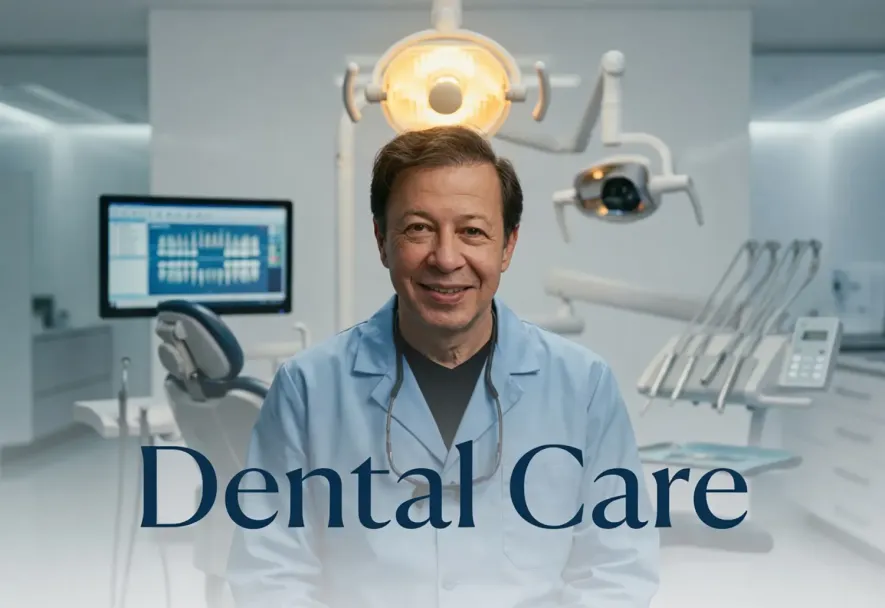

Clinically reviewed by
Dr. Boris Lipovetskiy, DMD
Good dental care supports far more than the appearance of your smile. In this article, Dr. Lipovetsky explains why oral health matters, what can happen after just 24–48 hours without proper oral hygiene, and how to recognize when it is time to see a dentist, even if you are not experiencing severe pain.
At Advanced Dental Wellness Center, we use a holistic, or biological, approach that considers both the safety of the materials used in dentistry and their effects on overall health.
What Happens If You Don’t Take Care of Your Teeth

The earliest consequences of poor oral hygiene can become noticeable within just 24–48 hours. During this time, bacterial plaque begins to build up rapidly. Over time, it hardens into tartar and gradually irritates the gum tissue. This is how gingivitis develops.
The gums may bleed, become red, or swell. Without treatment, the inflammation can spread deeper into the surrounding tissues. Periodontal pockets may form, while patients may also experience tooth sensitivity and persistent bad breath.
According to information from the Mayo Clinic updated in 2024–2025, along with guidance from the American Dental Association, persistent gum inflammation can affect more than the oral cavity. Bacteria and inflammation-related compounds can enter the bloodstream, potentially placing additional stress on overall health.
A condition that can be managed today with regular professional cleanings may require far more extensive and prolonged treatment several years from now.
A Modern Approach to Oral Health Treatment
At Advanced Dental Wellness Center, we recognize the importance of oral health to overall health. For this reason, we use a biological, holistic approach. In practice, this means that we:
This approach is led by Dr. Boris Lipovetsky, who holds dual certification in biological and neuromuscular dentistry.
He is one of the few dentists in the region with this combination of qualifications.
His expertise enables us to provide comprehensive care that reflects the connection between oral health and the health of the entire body.

Dr. Boris Lipovetsky
33 Years of Clinical Experience in Dentistry
Over 33 years of practice, I have learned one important thing: most people ignore the early signs of periodontal problems for far too long.
We have cared for patients who came to our clinic with advanced gum problems and loose teeth. What I most want patients to realize is that even when the situation has already become serious, there is often still something we can do. We may be able to stop active inflammation, strengthen the supporting tissues, and possibly even save the affected teeth.
When you notice even minor discomfort or changes in your mouth, do not wait for the problem to get worse. Schedule an examination.
Health Problems Associated with Poor Oral Health
Ongoing inflammation in the mouth may have effects beyond your gums and teeth. Microorganisms in the oral cavity may influence the onset or progression of certain systemic health concerns.
| Dental condition | How it works | How it may affect the body |
|---|---|---|
| Gingivitis – early-stage gum inflammation | Cytokines and other inflammatory compounds may circulate through the blood and trigger an immune response in different areas of the body. | A 2025–2026 scientific statement issued by the American Heart Association notes a possible connection with an increased risk of cardiovascular disease. |
| Periodontitis – advanced inflammation of the gums and supporting tissues | Microorganisms and their toxins can spread through the circulatory system, contributing to inflammation elsewhere in the body. | This process can interfere with glucose regulation. Elevated glucose levels may then accelerate the breakdown of the structures around the teeth. |
| Excessive levels of oral bacteria associated with severe periodontitis | Oral microorganisms can travel into the airways. | Among older adults and patients with weakened immune systems, this can raise the likelihood of developing pneumonia. Consistent dental hygiene in older populations may reduce rates of hospital-acquired pneumonia by 40–60%. |
| Long-term inflammation in the gums | Continuous inflammatory activity keeps the body’s immune defenses activated for extended periods. | This process may aggravate autoimmune disorders, including rheumatoid arthritis. |
Understanding these connections makes it easier to recognize the right time to visit your dentist. Early evaluation may reduce the likelihood of complications becoming more difficult to manage.
When Should You See a Dentist?
Preventive checkups can uncover problems before severe pain or health complications arise. Consider booking a visit if one or more of these circumstances apply:
Your gums sometimes bleed during brushing or flossing.
You are expecting a baby or planning a pregnancy. Hormonal shifts may raise the likelihood of gingivitis.
You have diabetes or prediabetes. Inflammation affecting the oral tissues can interfere with blood glucose regulation.
You notice persistent bad breath that continues even after brushing. This may indicate bacterial activity beneath your gumline.
Periodontal disease runs in your family. Certain types of periodontitis are influenced by inherited factors.
Your child has begun losing primary teeth or developing permanent teeth. The early period after permanent teeth emerge is especially significant for building effective dental care routines.
Your teeth react more strongly to hot, cold, or sugary foods and drinks. This could indicate worn enamel or the beginning of gum recession.
You use cigarettes or vaping products, even occasionally. Nicotine and tobacco can speed up damage to the tissues that support the teeth and make treatment less effective.
You frequently have a dry mouth, particularly while taking antihistamines, antidepressants, or high blood pressure medication. Reduced saliva production raises the chance of developing cavities and oral infections.
More than 6–12 months have passed since your most recent dental visit, based on your individual risk profile. Preventive checkups remain necessary even in the absence of symptoms.
Patient Review
I highly recommend Dr. Boris Lipovetsky and his team. At every appointment, I received attentive and professional care. I especially appreciate his holistic approach to dentistry. He truly understands how important oral health is to the health of the entire body.
Dr. Lipovetsky patiently explains his findings, discusses the available treatment options in detail, and helps patients make calm, informed decisions. The front desk team is also very friendly and easy to communicate with.
I would also like to recognize Dr. Rouleau, the oral and maxillofacial surgeon. Today, I had a root canal removed, and the procedure was easy, professional, and painless. Advanced Dental Wellness is a place where oral health is treated with care, modern expertise, and advanced techniques.
Marcy Derrick
FAQ
Why is oral care so important?
When inflammation develops in the gums, bacteria may enter the bloodstream and affect other areas of the body. Regular oral hygiene can reduce the body’s overall inflammatory burden, support cardiovascular health, help regulate glucose levels in people with diabetes, and promote overall well-being.
How often should you visit the dentist?
Most healthy adults are advised to schedule a dental checkup twice a year. People with periodontal disease or diabetes, those who smoke, patients preparing for pregnancy, and anyone with additional risk factors may need appointments at shorter intervals, such as every three to four months. Children and teenagers should also ideally attend dental checkups twice yearly, especially while their permanent teeth are developing. Regular examinations make it possible to identify changes at an early stage, when treatment is usually faster, simpler, and less expensive.
Can gum disease be treated?
Yes. Gingivitis, the earliest stage of gum inflammation, can often be treated with an in-office cleaning combined with regular home care for the teeth and gums. For periodontitis, which affects deeper tissues, we focus on controlling the inflammation, cleaning periodontal pockets, and strengthening the remaining supporting tissues. If the teeth are in critical condition and cannot be saved, we may discuss extraction and implant treatment using biocompatible materials. However, preserving natural teeth remains the main goal whenever clinically feasible.
Is professional teeth cleaning necessary?
Yes. An in-office dental cleaning remains necessary even for patients with very thorough home hygiene. Neither a standard toothbrush nor floss can fully remove hardened deposits from hard-to-reach areas, such as the spaces between teeth or below the gumline. During the appointment, the hygienist removes these deposits, polishes the teeth, and carefully examines the mouth. This makes it possible to identify developing problems before they cause noticeable symptoms. For most people, having a professional cleaning twice a year is sufficient.